“Foods That Fight Stress and Support Hair Growth Naturally”
How Stress Triggers Hair Thinning and What to Do
This blog post explores the connection between chronic stress and hair thinning, offering insight into why it happens and how to manage it.
How Stress Causes Hair Thinning
Stress affects the body in several ways, and one of the less talked-about effects is on hair health. Here's how:
Telogen Effluvium
This is a condition where stress pushes large numbers of hair follicles into a resting phase, causing hair to shed more than usual within a few months.
Hormonal Imbalance
Stress increases cortisol levels, which can disrupt hormones like estrogen, testosterone, and thyroid hormones—all of which impact hair growth cycles.
Restricted Blood Flow to Scalp
Stress can constrict blood vessels, reducing oxygen and nutrient supply to the scalp, weakening hair roots.
Increased Inflammation
Chronic stress leads to internal inflammation, which can damage the scalp and hair follicles.
Poor Lifestyle Habits
Under stress, people often eat poorly, sleep less, or skip exercise—all factors that affect hair health.
What to Do About It
Manage Stress Levels
Practice mindfulness, deep breathing, or yoga.
Try regular physical activity and adequate sleep.
Reduce screen time and exposure to anxiety triggers.
Nourish Your Body
Eat a balanced diet rich in vitamins like biotin, zinc, and iron.
Stay hydrated and avoid processed sugar and alcohol.
Support Hair Health Naturally
Use gentle, sulfate-free shampoos and scalp-massaging oils like rosemary or castor oil.
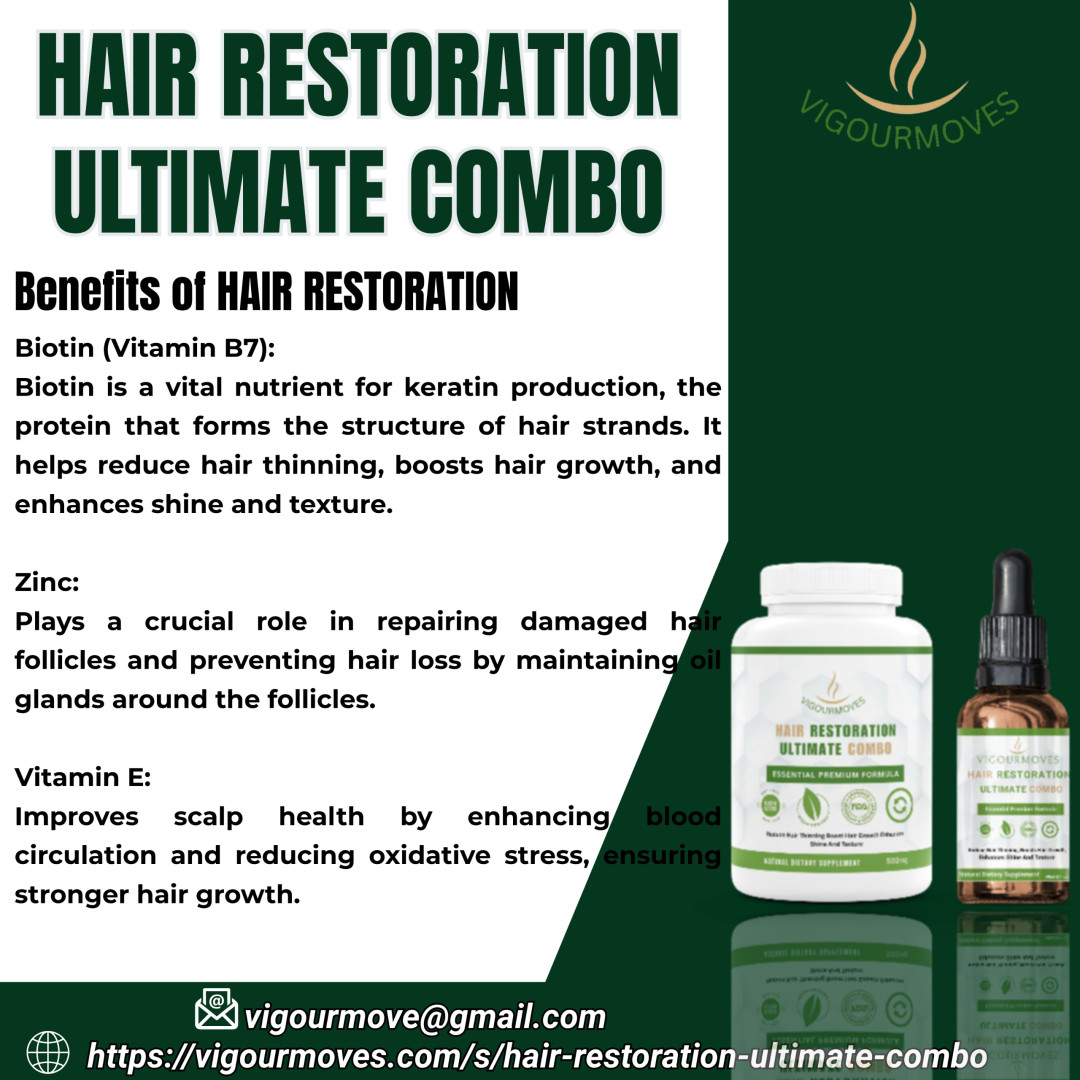
Consider supplements designed for hair restoration (e.g., with collagen, keratin, or saw palmetto).
Consult a Specialist
If hair thinning persists, see a dermatologist or trichologist to rule out underlying issues like thyroid disorders or nutrient deficiencies.
Conclusion
Stress-related hair thinning is real—but reversible with the right approach. By calming the mind, supporting your body with nutrients, and treating your hair gently, you can restore strength and volume over time.
Don’t let stress take a toll on your hair. Start small, breathe deeply, eat well, and care for your scalp daily. If you need extra support, consider speaking with a health expert or trying a targeted hair supplement.
Comments
Post a Comment